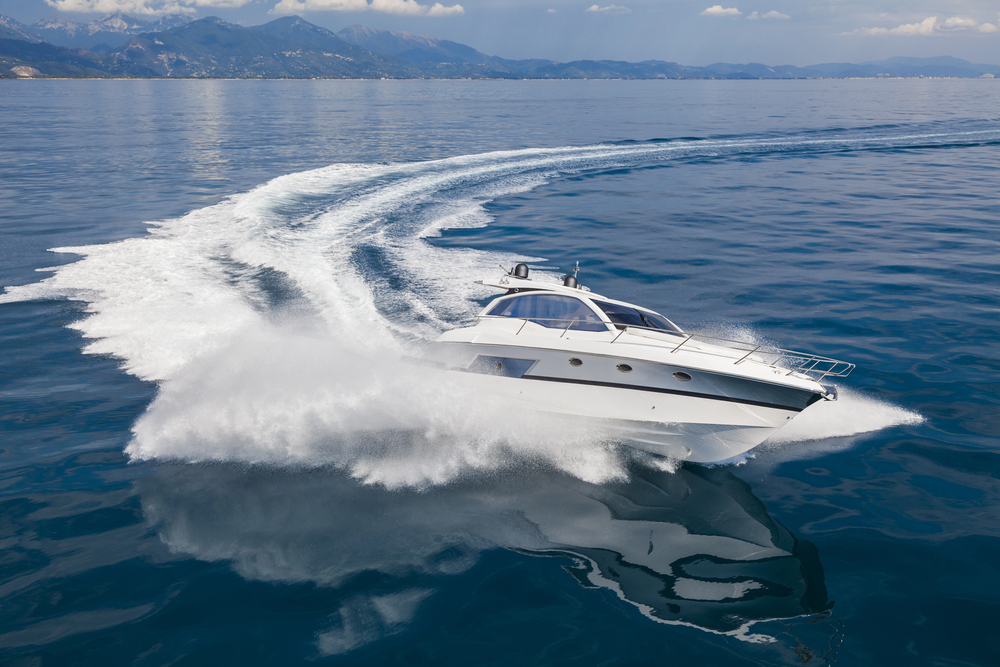
Waterway collisions are often quite complex. Who bears responsibility for the damages and injuries that result? If you’ve been involved in such an incident in North Carolina, it’s always wise to consult with a boating accident lawyer quickly. A lawyer can evaluate the circumstances of your collision and help you understand how fault will likely be assigned and how best to protect yourself.
Waterway Collisions and Liability
Is the boating operator always liable? No. Liability is always connected to negligence, so the question will be whether the operator failed to exercise reasonable care under the circumstances. Courts look at specific actions and whether those actions violated safety standards for vessel operation. You cannot assume automatic fault simply because you were at the helm.
How Negligence Is Determined
Finding an operator negligent requires showing that they did not take proper care, which is usually tied to having broken a specific rule, though, under some circumstances, an operator can technically be keeping all the rules but still be found to have been reckless. Some of the key waterway regulations that insurance companies and courts will look at are:
Proper Lookout
One fundamental principle of boating is that every vessel must at all times maintain a proper lookout by both sight and hearing. If an operator skips this basic step, even briefly, it can establish negligence.
Proper Speed
Another key rule requires boaters to go at a safe speed at all times. This can be somewhat subjective, but it’s defined as a speed that takes into account visibility, waterway traffic density, how maneuverable the boat is, background lights at night, weather, and other conditions.
Proper Collision Avoidance
A boat is required to use all available means to determine if a risk of collision exists and take steps to avoid it. This may include watching compass bearings, listening for signals, and monitoring radar. If a risk exists, the operator must act immediately to:
- Alter course
- Slow down
- Stop
- Reverse engines
An operator who takes the wrong action or who delays too long can face liability, but so can the other vessel if it fails to respond appropriately. A boating accident attorney will be able to help you sort out who was at fault.
Proper Right-of-Way
Right-of-way rules can also help in determining negligence. A vessel approaching from the starboard side generally has the right of way, meaning the other vessel must give way. Power-driven vessels must yield to sailing vessels in most cases, and vessels engaged in fishing have priority over others.
Shares Negligence
In practice, many waterway collisions, just like most car accidents, involve some degree of fault on both sides. One operator might have been speeding while the other failed to keep a lookout, for example. Federal law allows each party to make a claim for damages that reflects their own share of fault: however, North Carolina law is different.
Liability Considerations in North Carolina
Many waterways here qualify as navigable under federal standards, but for those that are entirely under North Carolina legal jurisdiction, pure contributary negligence rules apply. This means you cannot recover any damages if you are even 1% at fault.
Talk to a Boating Accident Lawyer
The best way to preserve your rights is to speak with an attorney as soon as possible. Contact David & Associates Injury Attorneys in Wilmington, Supply, Clinton, Jacksonville, Wallace, or Whiteville today.
Connect with us


- July 2026
- June 2026
- May 2026
- April 2026
- March 2026
- February 2026
- January 2026
- December 2025
- November 2025
- October 2025
- September 2025
- August 2025
- July 2025
- October 2024
- August 2024
- May 2024
- March 2024
- February 2024
- July 2023
- May 2023
- January 2022
- December 2021
- November 2021
- October 2021
- September 2021
- August 2021
- July 2021
- May 2021
- April 2021
- February 2021
- January 2021
- December 2020
- October 2020
- September 2020
- August 2020
- July 2020
- May 2020
- April 2020
- March 2020
- February 2020
- January 2020
- December 2019
- November 2019
- October 2019
- September 2019
- August 2019
- July 2019
- June 2019
- May 2019
- April 2019
- March 2019
- February 2019
- January 2019
Archives
- boating accidents
- Brain Injuries
- Car Accidents
- Catastrophic Injuries
- Construction Accidents
- David and Associates Injury Attorneys Service
- Distracted Driving Accidents
- Drunk Driving Accidents
- Firm News
- Motorcycle Accidents
- Pedestrian Accidents
- Personal Injury
- Spine Injuries
- Truck Accidents
- Uncategorized
- Workers' Compensation
- Workplace Injuries
- Wrongful Death
Categories

Whiteville Office
403 North J. K. Powell Boulevard
Whiteville, NC 28472