

Blog / Personal Injury

How Do You Calculate Damages in a Fatal Accident Case?

Legal professional reviewing case documents, illustrating the process of evaluating financial losses and compensation in a North Carolina wrongful death claim.
How do you calculate damages in a fatal accident cases? Here in North Carolina, a wrongful death lawsuit after a car accident has to be brought by the representative of the deceased's estate; but what's recovered is for the use of the surviving family. It's important to work with an attorney to be sure you've properly calculated everything and bring a strong claim.

How Do You Calculate Damages in a Fatal Accident Case?

The representative of the estate has the duty to bring a claim against the person or entity whose wrongful act, neglect, or default caused the death and would have given the decedent a personal injury claim if they had survived.

In general, the damages available to be recovered are:
  • Any expenses for care, treatment, and hospitalization for the injury that caused death
  • Compensation for the decedent's pain and suffering up until the point of death
  • All reasonable funeral expenses
  • "Value" of the decedent to dependents, including their expected net income, services, protection, care, and assistance
  • Compensation for the loss of the decedent's society, companionship, comfort, guidance, and advice 
  • Punitive damages, if they apply under ordinary personal injury law or if the death was caused deliberately

Calculating the Damages

There is no fixed formula for this, and the final number will depend on the evidence and the skill of your attorney to gather that evidence and use it convincingly.

Adding Up Known Losses

This is the easy part, because it involves gathering bills and receipts for medical care, funeral expenses, and any personal property loss from the accident.

Pain and Suffering

This is trickier, and the amount will depend on how long the decedent suffered before their death. For an accident where death was nearly instant, the number will be a lot lower than if the decedent spent several weeks in the hospital before finally succumbing to injuries.

Lost Income and Services

Here's where things can become very difficult to calculate, and it's important to have a lawyer's advice on what's fair and reasonable. For example, when considering net income, you must first find the decedent's current salary and then extrapolate out how long they could have been expected to keep working and what raises they could have expected over a lifetime.

From that, it would also be reasonable to assume that the decedent would have spent some money on personal things that did not benefit their family, and that should be subtracted from the total.
Punitive Damages

Punitive damages are fairly rare, and it does require clear and convincing evidence to prove that the defendant is liable for these. A lawyer can tell you how likely it is that they will be awarded as well as what a jury is likely to consider fair.

Get Help With a Car Accident Wrongful Death Claim

Calculating damages and proving every part of the claim with the right evidence can be tricky. For help with a claim, contact David and Associates in Wilmington for a free consultation. We also have offices in Clinton, Supply, Jacksonville, Wallace, and Whiteville. 
Posted in:

Related Posts

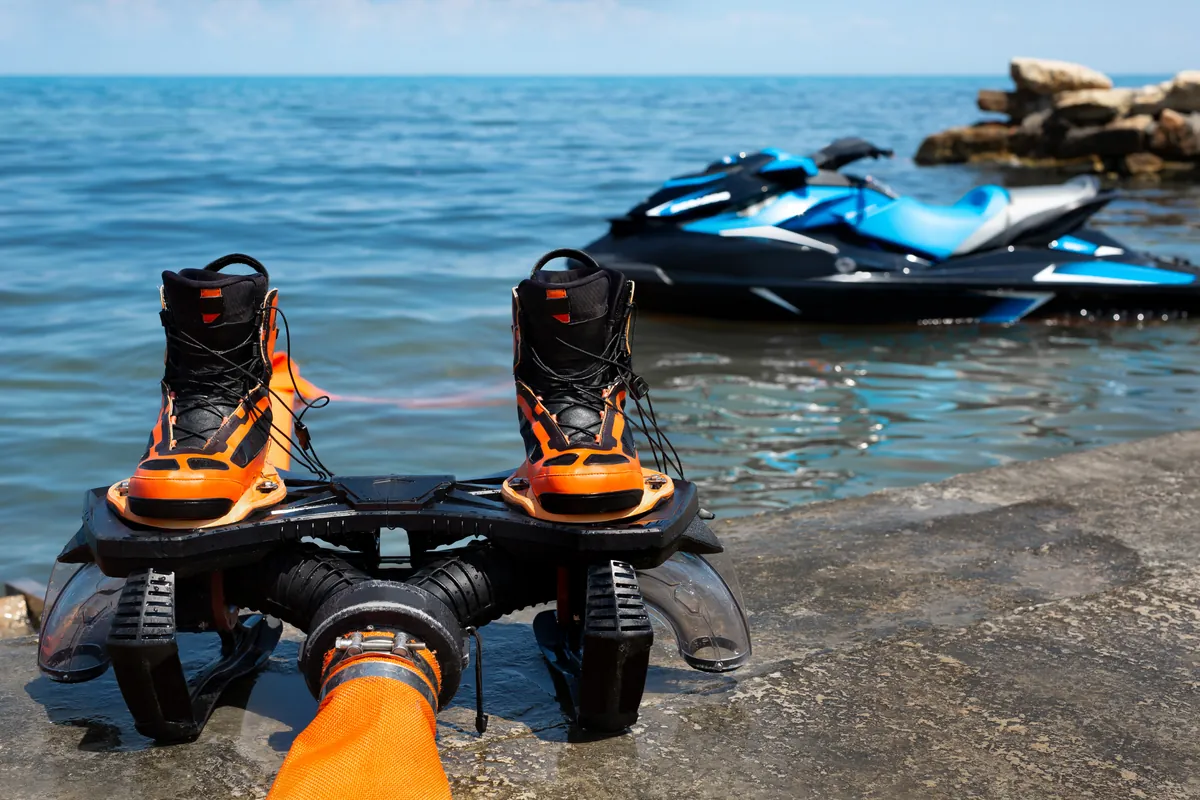
Orange wakeboarding boots and a personal watercraft near the shoreline, illustrating recreational watercraft activities

What Are the Key Differences in Liability for Watercraft Accidents?

Personal injury recovery can happen after an accident on the water here in North Carolina, but watercraft incident liability differences dictate how you pursue a claim. Talk to a lawyer with experience in watercraft incidents to make sure you know your rights and are pursuing them appropriately. Personal Injury Rules and Watercraft Incident Liability Differences Navigable Waters Navigable waters in our state's laws include the Atlantic Ocean off the North Carolina coast, the Intracoastal Waterway, major rivers such as the Cape Fear, and other waterways used or capable of use in interstate commerce. On those waters, you're not dealing just with state laws, and sometimes not with state laws at all, but are in federal admiralty jurisdiction. If the incident occurs on a non-navigable pond or small private lake with no connection to interstate commerce, North Carolina state law controls everything. Under state law, you must prove ordinary negligence, and North Carolina follows a contributory negligence rule, so if you bear any degree of fault at all, you likely can't recover anything. Under general maritime law, the standard is pure comparative fault, so you can recover, but your recovery is reduced by your percentage of responsibility. Things can get very complicated quickly, and it's best to speak with a legal professional to sort everything out. Limitation of Liability Watercraft vessel owners like to invoke the Limitation of Liability Act whenever possible. This is a statute that lets an owner petition a federal court to cap their total liability at the post-incident value of the vessel, plus pending freight. If their boat is destroyed or left with little residual value, the cap can be near zero, and, unfortunately, many recreational craft remain eligible for the limitation. You must challenge the petition very quickly if you want to keep the full value of your claim available, so talk to a lawyer as quickly as you can. Insurance Issues North Carolina does not require liability insurance for recreational boats, so many owners carry none, and homeowners policies routinely exclude watercraft liability above a certain (small) size or very small horsepower limits. When the at-fault operator has no coverage, you may face an uninsured defendant whose only reachable asset is the damaged vessel itself. Duty of Care Inland Navigation Rules and the International Regulations for Preventing Collisions at Sea determine who has a duty of care and under what circumstance. Generally speaking, vessel operators must maintain a proper lookout by sight and hearing, proceed at a safe speed, and take early action to avoid collision. Failure to keep a lookout, operating under the influence, excessive speed in restricted visibility, or overloading a boat beyond the capacity plate limits can establish negligence per se. Witness statements, Coast Guard or Wildlife Resources Commission reports, and any available electronic data, such as GPS tracks or engine diagnostics, can all show those violations. Talk to an Experience Attorney Today If you have been involved in a watercraft incident, contact David & Associates, Injury Attorneys right away for a free consultation. Our attorneys have more than 136 years of combined experience helping injured people throughout eastern North Carolina, and we serve clients in Wilmington, Clinton, Supply, Whiteville, Wallace, and Jacksonville and all surrounding areas.

How Can You Challenge an Insurance Company’s Lowball Offer?

If an insurance company has presented you with an offer that seems far below what you actually deserve, this is called a “lowball offer,” and it's a common tactic. Knowing how to respond effectively matters, and a lawyer with statewide experience here in North Carolina can make all the difference when you're challenging lowball insurance offers. Challenging Lowball Insurance Offers Why It Happens Insurance companies frequently start the claims process with a proposal that falls short. This is because their adjusters receive training that's focused on protecting the company they represent, not you. This leads them to minimize and devalue your figures. They may try offering an initial amount that's low to leave room for negotiation, or, in other cases, the tactic is to make you panic and believe that if you don't accept their offer, nothing else will be forthcoming. Practical Steps to Take 1. Talk to an Attorney with Statewide Experience The first concrete step to take is get a legal opinion. An experienced lawyer will have seen all this before and will know how to counter the insurer's tactics. An attorney can also give you a professional opinion on the true value of your claim and the strength of your case. 2. Ask for a Written Breakdown Your attorney's first move will likely be to ask the adjuster for a detailed written breakdown of how they reached their specific number. Adjusters sometimes share only a total over the phone or in a short letter and resist explaining which bills they accepted or denied. Putting the request in writing creates a documented exchange and often shows exactly what their evaluation overlooked. 3. Collect and Organize Evidence Strong documentation for these claims will have complete medical charts and bills that list every visit, procedure, prescription, and therapy session, itemized, along with the diagnostic codes. Depending on the nature of your case, you might also need: Employer letters or tax documents that confirm lost earnings and any reduction in work capacity Police report and any witness accounts Photographs of the scene and visible injuries A personal log describing how pain or restricted movement has changed your daily life 4. Making a Written Reply With the records assembled and treatment considerations in view, the next action is usually to send a written reply to the adjuster. It should restate what happened and how you were injured, then itemize each loss category with dollar totals drawn directly from the supporting documentation. It may also need to address any specific reasons the company gave for the lower amount and explain why the evidence does not support those reasons. 5. Negotiate After this initial exchange, there's often several rounds of negotiations. The key to success is to keep pushing the documented evidence, avoid emotional language, and never disclose your absolute bottom-line amount too soon. 6. Consider a Lawsuit If negotiations stall, you do have options, but you'll need an attorney by your side to pursue them. You have the right to file a lawsuit, and sometimes doing so is enough to show the insurer you mean business and get negotiations moving. But if not, your attorney can be prepared to take your case to court if that's the smart thing to do in your case. For help with your claim, visit David and Associates, Injury Attorneys in Wilmington, Clinton, Supply, Wallace, Jacksonville, Whiteville, and statewide for help.

What Happens if an Insurance Company Denies Your Injury Claim?

When an insurance company denies your injury claim, you may need help to protect what you're owed, and it's important to move quickly. A North Carolina personal injury lawyer can help you understand the process and protect your rights. What Happens if an Insurance Company Denies Your Injury Claim? Go Over the Denial Letter Step one is to look over your denial letter with your attorney and find out exactly why the insurer turned down the claim. This could be anything from questions about who caused the accident to whether your injuries connect directly to it, and in some cases it's primarily missing paperwork. Review Your Policy The next step is to carefully review your insurance policy or the at-fault driver's policy details and compare the denial reasons against the actual coverage language. You'll also need to check any deadlines mentioned in the policy for appeals or further action, because if you don't take action before that deadline, your denial can become permanent. Again, your lawyer can do this for you, and an experienced personal injury attorney will know how to read all the jargon. Gather and Organize Evidence Once you know what's wrong, you can start collecting everything that supports your appeal. This could be your medical records, police reports, witness statements, photos of an accident scene and your injuries, and repair estimates, among other things. The evidence you need will depend on precisely why your claim was denied. Filing an Internal Appeal Most policies require you to send a written appeal to them, first. Your lawyer can write an appeal letter that is factual, notes all the important details, and references exactly why their denial letter is incorrect in light of what the policy says. The insurer must review your appeal and send a written response. Many claims get approved or improved at this stage, especially once they see you have a lawyer helping you. Next Steps in North Carolina If the internal appeal fails, you can file a complaint with the North Carolina Department of Insurance. The department cannot force payment, but once you notify them, this often prompts an insurer to reconsider. Considering a Lawsuit If nothing else works, you may need to file a civil lawsuit against the at-fault party whose insurance is denying your claim. You're not able to bring a bad-faith claim against an insurance company directly unless it's your own insurer, so what you're doing is pushing the at-fault party to bring a claim against their insurer for bad faith. Talk to a Personal Injury Lawyer An experienced attorney knows how to review evidence, denial letters, and policies. Your lawyer can then handle all communication with the insurer, build a demand package, meet all deadlines, and deal with negotiations and a potential lawsuit. This means you avoid the guesswork and pressure of dealing with adjusters alone. If you have received a denial, contact David and Associates Injury Attorneys in Wilmington, Clinton, Supply, Jacksonville, Wallace, or Whiteville, NC today for a free consultation.